
BLOG
Rural Positive Behaviour Support: When the Road Doesn't Have Lines. How do you stay in your lane?
Positive Behaviour Support (PBS) is often described through frameworks, evidence-based strategies, multidisciplinary collaboration, and service systems. These are all important. However, PBS can look different when the road you are travelling on is a dirt track with no bitumen and no painted lines.
Rural and regional practice requires us to think differently.
As PBS practitioners, we must remain within our professional scope. We cannot become psychologists, occupational therapists, support coordinators, social workers, speech pathologists, community connectors, and family members all at once. Yet in rural communities, there can be pressure to fill every gap because the services simply do not exist.
The challenge is not to become everything. The challenge is to recognise the strengths that already exist within a person’s community and support them to access those strengths.
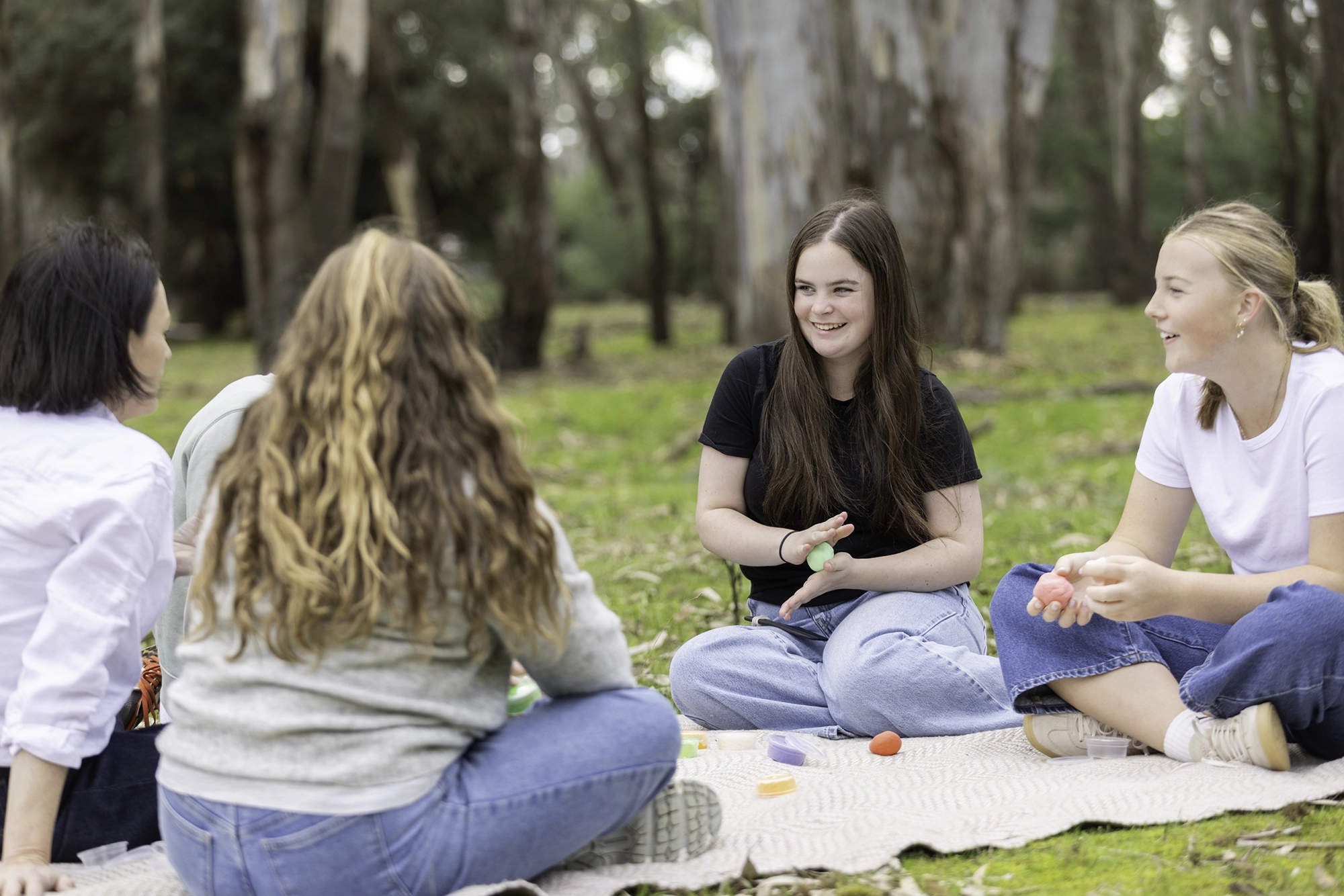
In metropolitan areas, a recommendation might involve referral pathways, specialised programs, or multiple providers. In rural communities, the answer is often found somewhere else. It may be the local football club, Men’s Shed, church group, community garden, bowls club, CFA, craft group, fishing club, neighbour, volunteer organisation, or community event.
These community connections are often more sustainable than disability-specific services alone.
When people participate in ordinary community life, they build natural relationships, develop valued social roles, increase their sense of belonging, and gain opportunities to contribute. These are protective factors for wellbeing and quality of life. They also reduce reliance on paid supports over time.
Importantly, community participation is not about simply attending an activity. It is about becoming part of something bigger than ourselves.
Many behaviours of concern are linked to unmet needs such as loneliness, lack of purpose, limited social connection, boredom, exclusion, or a lack of meaningful roles. Community groups can often address these needs in ways that formal services cannot.
This does not mean disability services become less important. Rather, disability services should help create pathways into community life rather than becoming the destination itself.
At times, rural practice can feel isolating. Practitioners may be geographically separated from colleagues and have fewer opportunities for informal professional discussion. This is where regular case consultations, peer supervision, and team check-ins become essential.
These conversations allow us to ask important questions:
- Are we staying within our professional scope?
- Are we building capacity or creating dependence?
- Are we supporting genuine inclusion?
- Are we helping people develop sustainable relationships?
- Are we implementing PBS principles in a way that fits the local context?
The answers are not always found in textbooks.
Sometimes the most effective PBS strategy is not another service, another assessment, or another funded support. Sometimes it is helping someone become known, valued, and connected within their own community.
Because long after services change, funding ends, or practitioners move on, the local community remains.
That is often where the most meaningful and sustainable behaviour support begins.
If you’re navigating PBS practice in a rural or regional context, you don’t have to figure it out alone. Get in touch with the our team.