
BLOG
The Most Common PBS Strategy Isn't a Strategy at All
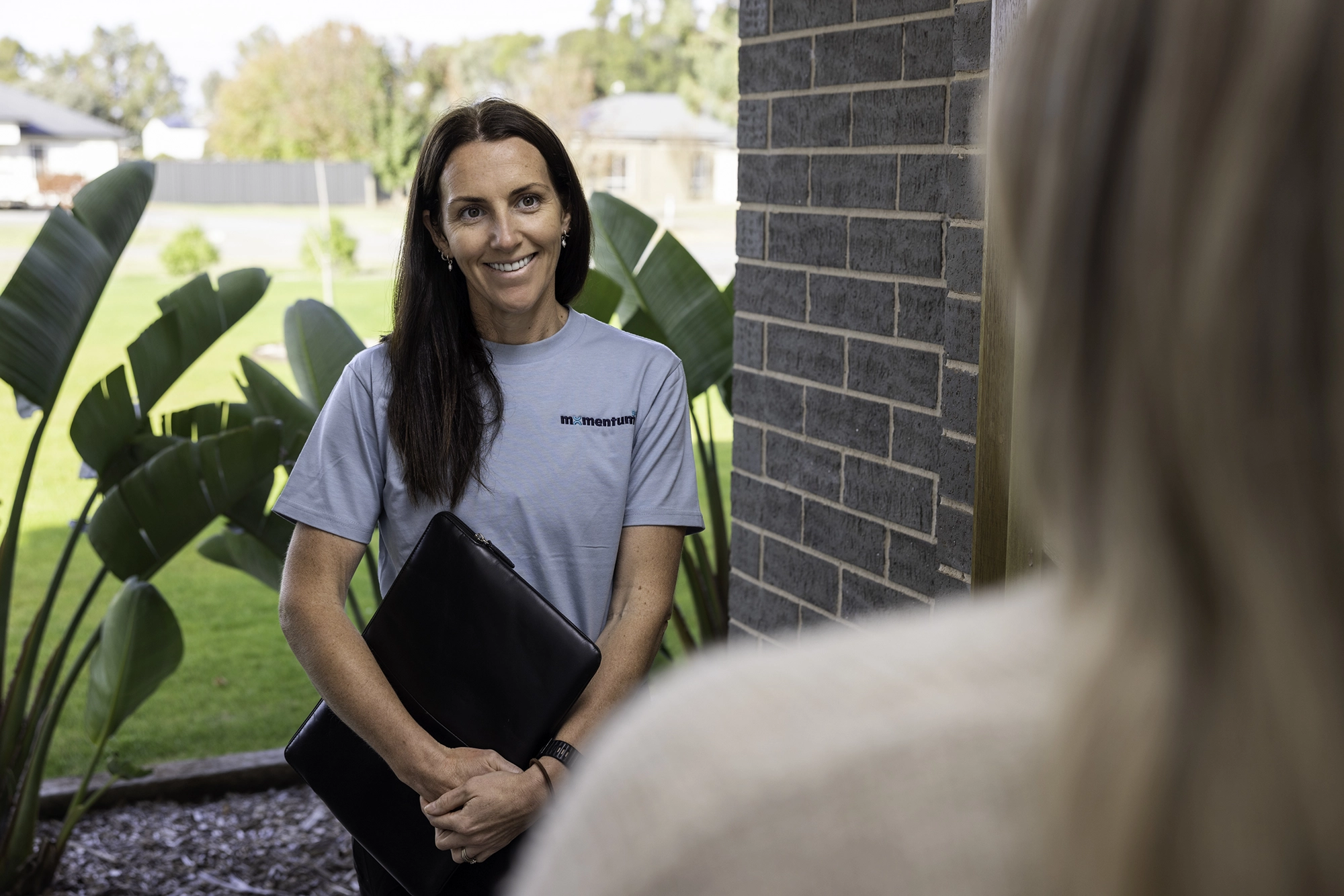
We spend a lot of time talking about Positive Behaviour Support, quality of life, Active Support, skill development, communication, reducing restrictive practices, and creating meaningful outcomes for the people we support.
We write plans for children, teenagers, adults, and older people.
We work alongside people living in rural communities, regional towns, farming districts, larger centres, and metropolitan areas.
Some people have strong family networks and multidisciplinary teams around them. Others are navigating long waitlists, workforce shortages, limited funding, and services located hours away.
On paper, these situations can appear vastly different.
Yet when we reflect on the hundreds of behaviour support plans we have developed, one observation continues to stand out.
The most effective Positive Behaviour Support strategy is rarely a strategy at all.
It is helping people build a life that contains the things that matter most: meaningful relationships, opportunities to contribute, a sense of belonging, predictable routines, valued roles, and support that genuinely matches their needs.
The individual strategies may change.
The foundations rarely do.
Whether we are supporting a young child with autism, an adult with intellectual disability, a person with acquired brain injury, someone experiencing mental health challenges, or an older person living with cognitive decline, we consistently return to the same core foundations.
Structure
People generally thrive when life feels predictable.
Knowing what is happening, who is supporting them, where they are going, and what comes next reduces uncertainty and stress. Structure creates a sense of safety and allows people to focus their energy on participating in life rather than constantly trying to make sense of what is happening around them.
Connection
Behaviour never occurs in isolation.
The quality of our relationships influences how safe, valued, understood, and supported we feel. Many behaviours of concern reduce when people experience genuine connection with those around them—people who listen, understand, and respond with respect.
Connection is often more powerful than any formal intervention.
Before we can teach skills, change environments, or introduce strategies, people need to feel safe enough to engage.
Active Support
Active Support is becoming one of the most talked-about concepts in the international Positive Behaviour Support space, and for good reason.
At its heart, Active Support is about enabling meaningful participation in everyday life.
Not simply keeping people busy.
Not filling time.
Not doing things for people that they can do with support.
Active Support is about working alongside a person so they can participate in their own life at a level that matches their abilities, interests, and goals.
Participation creates opportunities for learning, confidence, independence, contribution, purpose, and belonging.
It also addresses many of the factors that commonly contribute to behaviours of concern, including boredom, frustration, loneliness, exclusion, and a lack of meaningful opportunities.
Communication
All behaviour communicates something.
The better we become at understanding communication, the less we need to focus on the behaviour itself.
Communication support may involve visual supports, simplifying language, allowing additional processing time, recognising a person’s unique communication style, or teaching new ways to express needs, preferences, emotions, and choices.
When communication improves, quality of life often improves alongside it.
Low Arousal Approaches
People rarely learn, regulate, or make good decisions when they feel overwhelmed.
Low arousal approaches recognise that our response matters.
Remaining calm, reducing demands, providing space, avoiding power struggles, and responding early to signs of distress helps create environments where people can regain control safely and respectfully.
The goal is not compliance.
The goal is regulation, safety, dignity, and preserving relationships.
Skill Development
Many behaviours of concern are not about motivation.
They are about skills.
People may need support to develop communication skills, emotional regulation skills, daily living skills, problem-solving abilities, social skills, or coping strategies.
Positive Behaviour Support is not simply about reducing behaviour.
It is about increasing a person’s opportunities, confidence, independence, and capacity to participate in the life they want to live.
Why Do These Foundations Keep Appearing?
Because human needs do not change.
Regardless of diagnosis, age, disability, location, funding level, or service type, people generally need the same things:
- To feel safe.
- To feel connected.
- To have purpose.
- To have choice and control.
- To be understood.
- To experience success.
- To belong within their community.
The strategies written into behaviour support plans are simply different ways of helping people access these experiences.
This is why the strongest Positive Behaviour Support plans often feel surprisingly simple.
Not because the work is easy.
But because the foundations are universal.
When we invest in connection, participation, communication, skill development, and belonging, behaviours of concern often reduce naturally. People become more engaged, more confident, more independent, and more connected to the communities around them.
Perhaps the future of Positive Behaviour Support is not about finding more strategies.Perhaps it is about becoming better at implementing the foundations we have always known matter most.
Connection before correction. Participation before compliance. Support that actually sticks. That’s what Momentum 360 is about. Reach out to learn more.